


Creating a relaxing home workspace is essential for maintaining focus, reducing stress, and boosting productivity throughout the workday. Whether you’re working remotely full-time or occasionally, having a dedicated, calm area designed for work can make a big difference. In this post, we’ll explore practical tips and ideas for crafting a comfortable, inviting, and efficient home workspace.
Why a Relaxing Workspace Matters
When your work environment is cluttered, noisy, or uncomfortable, it can be hard to concentrate and maintain motivation. A relaxing workspace helps clear distractions, supports good posture, and encourages healthy breaks. By creating a space that feels inviting and organized, you can improve your mood and performance.
Choose the Right Location
Find a Quiet Spot
Try to select a quiet area in your home where you’re less likely to be interrupted. Avoid high-traffic zones like the kitchen or living room if possible.
Maximize Natural Light
Position your desk near a window to take advantage of natural sunlight, which can boost mood and energy levels. If natural light is limited, consider investing in daylight-simulating bulbs.
Consider Your Needs
Think about what kind of work you do and set up the space accordingly. For example, if you often take video calls, place your desk against a neutral or uncluttered background.
Invest in Comfortable Furniture
Ergonomic Chair
A supportive chair that encourages good posture is a must. Look for adjustable features for height, back support, and armrests.
Functional Desk
Choose a desk that fits your space and work equipment. Standing desks or adjustable desks can offer flexibility and reduce sedentary time.
Add a Footrest or Support
If your feet don’t comfortably reach the floor, use a footrest. This small addition can prevent discomfort and keep you relaxed.
Keep Your Workspace Organized
Declutter Regularly
Remove unnecessary items from your desk to reduce distractions. Keep only essentials within reach.
Use Storage Solutions
Shelves, drawers, or organizers help keep documents and supplies tidy. Label storage containers for easy access.
Cable Management
Use clips or ties to manage cables and chargers. A neat workspace feels less chaotic and more inviting.
Personalize Your Space
Add Plants
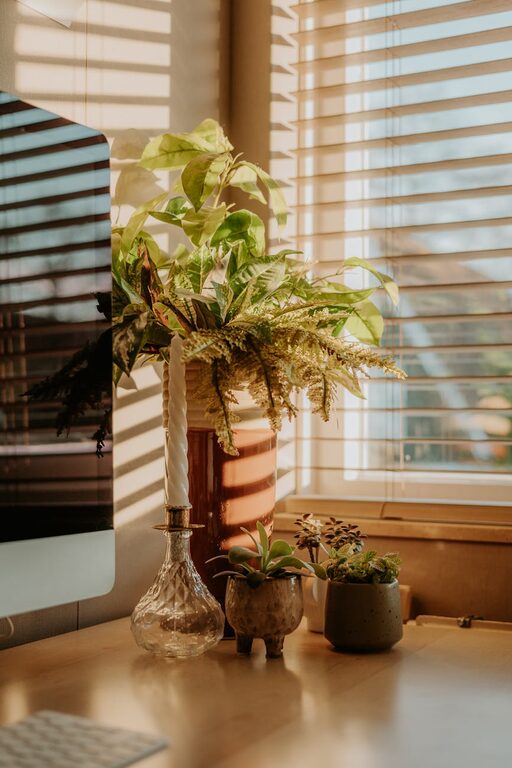
Indoor plants improve air quality and add a touch of nature, which can be calming and inspiring.
Incorporate Art or Photos
Display pictures or artwork that make you feel happy and motivated but avoid anything too distracting.
Choose Soothing Colors
Soft colors like blues, greens, or neutrals promote relaxation. You might add these through wall paint, stationery, or decorations.
Control Noise and Distractions
Use Headphones or White Noise
Noise-cancelling headphones can help block out distractions. Alternatively, white noise machines or apps can create a consistent background sound.
Set Boundaries with Others
If you live with family or roommates, communicate your work hours and workspace needs to minimize interruptions.
Prioritize Lighting and Air Quality
Layer Your Lighting
Use a combination of overhead lighting, desk lamps, and natural light for balanced illumination.
Keep Air Fresh
Open windows when possible for fresh air. Air purifiers can also enhance your environment, especially in stuffy or dusty areas.
Take Breaks and Move
Schedule Breaks
Set reminders to take short breaks every hour. Stand up, stretch, or walk around to stay energized.
Relaxation Corner
If space allows, create a small nook with a comfortable chair or cushion to step away and recharge during breaks.
Final Thoughts
Designing a relaxing home workspace is more than just aesthetics; it’s about creating a supportive environment tailored to your work style and needs. By focusing on comfort, organization, and personalization, you’ll find it easier to stay motivated and productive throughout your day.
Try incorporating some of these tips gradually and adjust your setup as needed. A calm, inviting workspace can transform your work-from-home experience for the better.