
Creating a productive home office environment is essential for anyone working remotely or running a business from home. A well-designed workspace can improve focus, reduce distractions, and support good posture and comfort. Here are some practical tips to help you build a home office that encourages productivity and well-being.
Choose the Right Location
When setting up your home office, location matters. Ideally, select a quiet space with minimal foot traffic. This can be a spare room, a corner of a bedroom, or an area that can be dedicated solely to work.
– Privacy: Look for a spot where you can close the door or separate yourself from household noise.
– Natural Light: Position your desk near a window if possible. Natural light reduces eye strain and boosts mood.
– Away From Distractions: Avoid placing your desk near the TV or in common areas where noise can interrupt your focus.
Invest in Ergonomic Furniture
Comfort plays a crucial role in staying productive. Ergonomic furniture helps reduce the risk of discomfort and injury from long hours of work.
– Desk: Choose a desk that fits your space and provides enough surface area for your computer, documents, and other essentials.
– Chair: An adjustable chair with good lumbar support encourages proper posture and reduces back pain.
– Monitor Height: Use a monitor stand or adjustable arm to ensure your screen is at eye level, helping to prevent neck strain.
Organize Your Workspace
A cluttered desk can be distracting and stressful. Organizing your workspace makes it easier to find what you need and maintain focus.
– Storage Solutions: Use shelves, drawers, or organizers to keep supplies tidy.
– Cable Management: Keep cords and cables out of sight with clips or under-desk trays.
– Minimalism: Limit items on your desk to essentials. A clean workspace promotes clarity and calm.
Optimize Lighting
Good lighting helps reduce eye strain and maintains alertness, especially if you work late or in a space with limited daylight.
– Layered Lighting: Combine ambient, task, and accent lighting. For example, overhead lights plus a desk lamp.
– Avoid Glare: Position screens and lamps to eliminate reflections and glare.
– Adjustable Lighting: Use lamps with adjustable brightness or color temperature to suit different times of day.
Establish Boundaries and Routine
Working from home requires clear boundaries to balance work and personal life.
– Set Office Hours: Define and stick to specific start and end times.
– Regular Breaks: Use techniques like the Pomodoro method to schedule short breaks for stretching and rest.
– Limit Interruptions: Inform family or housemates about your work schedule and need for focus.
Personalize Your Space
Adding personal touches makes your home office more inviting and boosts motivation.
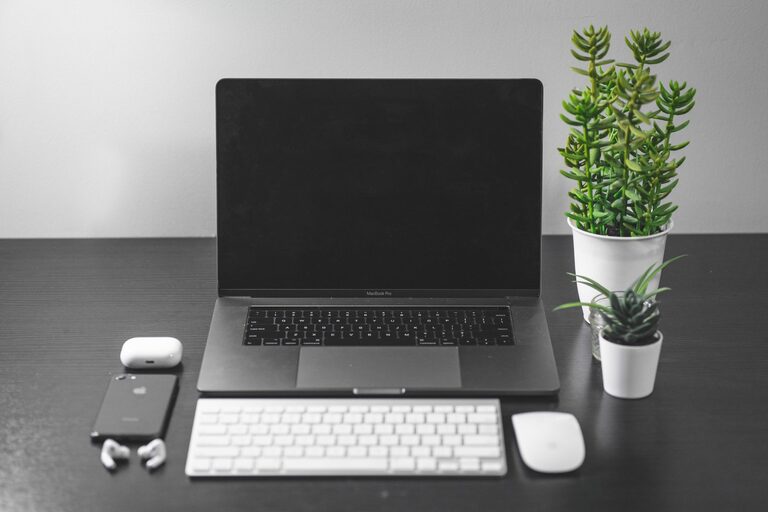
– Plants: Indoor plants improve air quality and add a refreshing touch.
– Artwork and Photos: Visual elements that inspire or relax can enhance your mood.
– Comfort Items: Include cushions, blankets, or a small fan or heater to make the environment pleasant.
Use Technology Wisely
Technology powers remote work, but it can also cause distractions; managing it well is key.
– Reliable Internet: Ensure a strong and stable internet connection.
– Essential Tools: Install productivity software, communication apps, and file storage solutions.
– Limit Notifications: Turn off non-essential alerts during work hours.
Maintain Cleanliness and Air Quality
A clean, fresh environment supports health and concentration.
– Regular Cleaning: Dust and wipe surfaces to reduce allergens.
– Ventilation: Open windows or use air purifiers to keep the air fresh.
– Avoid Food Clutter: Keep food and beverages away from electronics and papers.
Conclusion
Creating a productive home office environment takes thought and effort but benefits your work quality and well-being greatly. By choosing a good location, investing in ergonomic furniture, organizing your space, optimizing lighting, setting boundaries, personalizing your area, and managing technology mindfully, you’ll build a workspace that helps you do your best every day. Take time to adjust your setup as needed and enjoy the comfort and flexibility working from home can offer.