

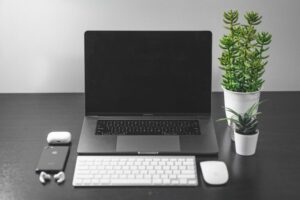
Creating a home office that feels both cozy and productive can greatly improve your work-from-home experience. Whether you’re setting up a dedicated room or corner, the goal is to build a space that encourages focus without sacrificing comfort. Here are practical tips and ideas to help you design a work environment that keeps you motivated and comfortable throughout the day.
Choose the Right Location
The first step is picking a spot that meets both your practical and personal needs.
– Natural light: Try to select a space near a window. Natural light boosts mood and energy, reducing eye strain.
– Minimal distractions: Avoid high-traffic areas or spaces near noisy appliances.
– Space for essentials: Ensure there’s enough room for your desk, chair, and any equipment you need.
Invest in Comfortable Furniture
Comfort is key for long work hours.
– Ergonomic chair: Select a chair that supports your posture and includes adjustable height settings.
– Functional desk: Choose a desk that fits your devices and allows some workspace to keep things organized.
– Footrest or cushions: Add a footrest or seat cushion if you need extra support.
Organize with Intention
A clutter-free environment helps maintain focus.
– Storage solutions: Use shelves, drawers, or filing cabinets to keep supplies tidy.
– Desk organizers: Containers for pens, papers, and gadgets can prevent mess.
– Cable management: Use clips or sleeves to keep wires neat and out of the way.
Personalize Your Space
A welcoming atmosphere can boost creativity and reduce stress.
– Plants: Incorporate some greenery to improve air quality and brighten the room.
– Artwork or photos: Add personal touches that inspire or comfort you.
– Soft textiles: Use rugs, curtains, or pillows for a warm, inviting feel.
Optimize Lighting
Proper lighting reduces eye strain and keeps you alert.
– Task lighting: A desk lamp with adjustable brightness is helpful for focused work.
– Ambient lighting: Use soft overhead lights or lamps for general illumination.
– Avoid glare: Position screens to minimize reflections from windows or lights.
Control Noise Levels
Noise can be a major distraction depending on your home environment.
– Noise-canceling headphones: These can help if you’re in a noisy household.
– Soft furnishings: Adding rugs or curtains absorbs sound and reduces echo.
– White noise machines: Sometimes, background sound can help focus and drown out distractions.
Set a Routine and Boundaries
Your space should help you mentally switch between work and relaxation.
– Defined hours: Try to keep consistent start and end times.
– Break area: If possible, designate a spot away from your desk for breaks.
– Signal others: Use a sign or signal to indicate when you’re working to minimize interruptions.
Keep Technology in Check
Making your tech work for you enhances productivity.
– Reliable internet: Ensure you have stable connectivity for calls and online tasks.
– Proper screen setup: Position monitors at eye level to reduce neck strain.
– Software organization: Streamline digital tools and folders for easy access.
Maintain Cleanliness Regularly
A tidy workspace promotes a clear mind.
– Daily tidying: Spend a few minutes at the end of each day clearing your desk.
– Weekly deep clean: Dust surfaces, vacuum floors, and check for worn-out supplies.
– Refresh air: Open windows when possible for fresh air circulation.
Final Thoughts
Designing a cozy and productive home office is about balancing comfort with functionality. Small adjustments, from lighting and furniture choices to organization and personal touches, can transform your workspace into a positive environment that supports focus and well-being. Start with these tips and customize your office to fit your unique work style and needs. Your home office doesn’t just have to be a place to work—it can be your favorite place to work.